シリンダーヘッドシール燃焼室、ハウスバルブとスパークプラグ、クーラントパッセージを形成し、200のバーの圧力と300°Cの温度に耐えます。 Isuzu Cylinder Head型は、Isuzu...

アルミニウム ダイカストは、オートバイの構造部品および機械部品の主要な製造プロセスです。部品を生産します 厳しい寸法公差、高い強度重量比、複雑な内部形状 他のどの大量生産方法も同等のコストで匹敵するものはありません。エンジンのクランクケースやトランスミッションのハウジングから、スイングアーム ブラケットやハンドルバー クランプに至るまで、現代のオートバイの重要な耐荷重アルミニウム部品の大部分はダイキャストで作られています。この事実は、エントリーレベルのコミューター、スポーツ バイク、重量級クルーザーなどに同様に当てはまります。
方法を理解する オートバイのダイキャスト 部品が製造され、どの合金が使用され、精密鋳造と標準以下の鋳造を区別するものは、エンジニア、調達チーム、およびオートバイ用途のアルミニウム部品を指定または評価する人にとって不可欠です。
オートバイは、その構造コンポーネントに独特の厳しい要件を課します。それは、出力重量比を最大化するための軽量化、エンジン隣接部品の熱安定性、長い耐用年数のための耐振動性、および複数の機能を単一の鋳物に統合するための幾何学的複雑さです。これらを同時に満たすのがアルミダイカストです。
アルミニウムの密度はおよそ 2.7g/cm3 、7.85 g/cm3 で鋼鉄の約 3 分の 1 です。鋳鉄製では重量 4.5 kg のアルミダイキャスト製クランクケースの重量は 1.6 kg 未満です。この節約により、ハンドリング、燃費、長距離でのライダーの疲労が直接改善されます。 1キログラム単位が重要な高性能モーターサイクルにとって、この利点はかけがえのないものです。たとえば、ホンダのCBR600RRは、メインフレームセクションにダイカストアルミニウムを使用しており、フルシャシーと600cc直列4気筒エンジンを搭載しているにもかかわらず、総湿重量わずか189kgに貢献しています。
高圧ダイカスト (HPDC) では、次の圧力で溶融アルミニウムを硬化鋼の金型に注入します。 10,000 および 30,000 psi サイクル時間は 1 ショットあたり 15 ~ 60 秒と短いです。月に数万台のエンジンを生産するメーカーにとって、このスループットは、砂型鋳造、鍛造、またはビレットからの機械加工に匹敵するものではありません。ダイス自体 (通常は H13 工具鋼) は長持ちします 80,000~150,000ショット 交換が必要になる前に、部品ごとの工具の償却コストが量ベースで非常に低くなります。
ダイカストにより、内部通路、ボス、リブ、ねじ付きインサート、および取り付け機構を 1 回の操作で鋳造できます。アルミニウム ダイカスト エンジン クランクケースには、オイル通路、ベアリング ボア、冷却フィン、構造リブを 1 つの部品に組み込むことができますが、代替プロセスでは 5 ~ 6 個の機械加工および溶接部品が必要になります。この統合により、組み立ての労力が軽減され、潜在的な漏れ経路が排除され、全体の構造剛性が向上します。
精度を生み出す オートバイのアルミダイカスト 厳密に制御された一連の操作が含まれます。どの段階でもばらつきがあると、最終部品の寸法誤差、気孔率、または機械的特性の劣化につながります。
金型の設計は、プロセス全体の中で最も重要なステップです。金型はアルミニウムの特性を考慮する必要があります 体積収縮は約 3.5 ~ 5% 凝固中は、すべての重要な寸法で形状を補正する必要があります。ゲートの位置、ランナーの形状、およびオーバーフローの配置によって、溶融金属がキャビティにどのように充填されるかが決まります。充填パターンが不十分だと、コールド シャット、ミスラン、気孔集中が発生します。シミュレーション ソフトウェア (MAGMASOFT や ProCAST など) は、スチールを切断する前にオートバイのコンポーネントの金型設計を検証するための標準となっています。
アルミニウム合金インゴットは反射炉またはるつぼ炉で溶解され、正確に制御された温度に保持されます。通常、 620 ~ 700°C (1,148 ~ 1,292°F) 合金グレードによって異なります。金属の温度は、流動性、充填挙動、表面品質に直接影響します。鋳造前に窒素またはアルゴンによる脱気を実行して、凝固中に多孔性の気泡を形成する溶存水素を除去します。十分に脱気されたアルミニウムの水素含有量は以下でなければなりません。 0.1mL/100g オートバイの構造鋳物用。
ダイカストマシンのショットスリーブには、計量された量の溶融アルミニウムが供給されます。次に、油圧プランジャーが金属を 2 段階で金型キャビティに押し込みます。ゆっくりとした第 1 段階で乱流を発生させずにランナーを充填し、続いて高速で高速の第 2 段階で早期凝固する前に部品キャビティを充填します。金属は強化圧力(キャビティ充填後に加えられる第 3 段階の圧力)下で固化します。これにより、残っている気孔が圧縮され、厚い部分の密度が向上します。通常、完全な凝固は次の範囲内で発生します。 2~10秒 注射後。
凝固後、エジェクターピンが鋳物を金型から押し出します。ランナー システム、オーバーフロー、フラッシュは、パーツがきれいにせん断できるほど十分に温かいうちに、トリム ダイでトリミングされます。その後、重要な穴と合わせ面が最終公差まで CNC 機械加工されます (通常は)。 ±0.05mm以上 ベアリングハウジングとシール面用。降伏強度を向上させるために、高応力構造鋳物に熱処理 (T5 または T6 焼き戻し) を適用する場合があります。
すべてのアルミニウム合金がダイカストに適しているわけではなく、すべてのダイカスト合金があらゆるオートバイの用途に適しているわけでもありません。合金の選択により、鋳造性、機械的強度、耐熱性、耐食性の間のトレードオフが決まります。
| 合金 | キー構成 | 引張強さ(鋳放し) | 主要なプロパティ | 典型的なオートバイの用途 |
|---|---|---|---|---|
| A380 (ADC12) | Al-Si8.5-Cu3.5 | ~317MPa | 優れた鋳造性、良好な強度、低コスト | クランクケース、ギアボックスハウジング、カバー |
| A383 (ADC10) | Al-Si10-Cu2 | ~310MPa | A380 よりも優れた流動性、より詳細な表現が可能 | 薄肉ブラケット、機器ハウジング |
| A360 | Al-Si9-Mg0.5 | ~296MPa | 優れた耐食性、耐圧性 | 油圧コンポーネント、クーラントハウジング |
| A413 | Al-Si12 | ~296MPa | 優れた流動性、複雑な薄肉切片 | キャブレター本体、複雑なカバー |
| シラフォント-36 (AlSi10MnMg) | Al-Si10-Mn0.6-Mg0.3 | ~340MPa(T7:~360MPa) | 高延性、熱処理可能、構造的 | フレームノード、スイングアームピボットセクション |
A380/ADC12 は、鋳造性、機械的性能、および原材料コストのバランスにより、世界中でオートバイのダイカスト用途の主力合金であり続けています。しかし、新しい真空支援および構造ダイカストプロセスでは、鋳造後の熱処理をサポートする、Silafont-36 のような低鉄で高延性の合金の使用が増えています。A380 には銅が含まれているため、溶体化処理中に膨れが発生するため、この能力標準は提供されていません。
オートバイのアルミニウム ダイカストとして製造されるコンポーネントの範囲は、パワートレインの内部構造からシャーシ ブラケットやボディ構造に至るまで、機械全体に及びます。各用途では、鋳物の特性に特定の要求が課されます。
エンジン部品は、最も生産量が多く、技術的に最も要求の厳しいオートバイのダイカスト部品です。クランクケースは、内部で油圧に抵抗し、エンジン アセンブリ全体の構造負荷に耐えながら、コールド スタート (-20°C) から完全に暖まった動作条件 (クランクケース表面で 120°C 以上) までの温度範囲にわたって正確なベアリング ボア アライメントを維持する必要があります。シリンダーヘッド、特に水冷エンジンの場合、複雑な内部ウォータージャケット、バルブシートボア、点火プラグボスがすべて単一のアルミニウムダイカストで鋳造されています。
現代のスポーツ バイクやアドベンチャー バイクでは、シャーシ ノード(以前は溶接鋼材の製造が必要だった部分)に大型ダイカストの使用が増えています。 BMW の S1000RR とドゥカティのパニガーレ V4 は両方とも、ステアリング ヘッド、エンジン マウント ポイント、スイングアーム ピボットを単一の鋳造で統合するアルミニウム ダイカストのメイン フレーム セクションを使用しており、シャーシ内で最も応力の高い接合部の溶接を排除しています。
アルミダイカストの熱伝導率 — 約 A380の場合96W/m・K - 熱を発生または放散する必要があるコンポーネントのハウジング材料として最適です。専用の冷却システムを追加せずに電子機器の熱負荷を管理するために、オルタネーター カバー、電圧レギュレーター ハウジング、および一体型ヒートシンクを備えた LED ヘッドランプ ベゼルは、アルミニウム ダイキャストで仕様化されることが増えています。
気孔率 (鋳造内部の小さな空隙) は、オートバイのアルミニウム ダイカストにおける最も重大な品質問題です。これにより、機械的特性が低下し、流体を運ぶコンポーネントに圧力漏れが発生し、周期的な負荷がかかると故障の開始点が生じます。気孔率の管理は、高品質のオートバイダイカストサプライヤーと商品メーカーを分ける主な技術的課題です。
凝固中に放出される溶存水素から気孔が形成され、 丸くて滑らかな壁の空隙 通常は直径 0.1 ~ 2 mm。液体金属が凝固領域に十分な速度で供給できない場所に収縮気孔が形成され、 不規則で粗い壁の空隙 厚い部分やゲートから離れた場所。どちらのタイプも疲労寿命を短縮します。研究では、気孔のないアルミニウム HPDC サンプルが疲労寿命を達成することが示されています。 3 ~ 5 倍長くなります 体積比 1 ~ 2% の気孔率を持つ同等のサンプルよりも優れています。
真空補助高圧ダイカスト (VHPDC) は、金型キャビティを下方まで真空にします。 絶対圧力 50 mbar 注入前に、ガス多孔性の原因となる閉じ込められた空気の大部分を除去します。この方法で製造された部品は熱処理が可能であり (標準的な HPDC 部品とは異なり、溶体化処理中に閉じ込められたガスが膨張して表面にブリスターが発生します)、降伏強度を向上させることができる T6 焼き戻し処理の可能性が開かれます。 鋳放し状態より 40 ~ 60% 上回る 。このため、フレーム ノードやステアリング ヘッドを含む高級オートバイの構造鋳物では VHPDC を指定することが増えています。
オートバイのダイカストの気孔率を特徴付けるために、いくつかの非破壊および破壊検査方法が使用されます。
As-cast aluminum surfaces are adequate for internal, unexposed components, but most visible or corrosion-exposed motorcycle die cast parts require surface treatment to achieve the required appearance and durability.
Shot blasting with steel or ceramic media removes die release agent residue, minor flash, and surface oxides. It also imparts a compressive residual stress layer that improves fatigue resistance — shot-peened aluminum surfaces show fatigue life improvements of 15–30% compared to as-machined surfaces in rotating bending tests. Tumbling in abrasive media is used for small castings to achieve a uniform matte finish before coating or anodizing.
Anodizing converts the aluminum surface into a hard aluminum oxide layer, improving corrosion resistance and wear resistance. Hard anodizing (Type III) produces layers 25–100 µm thick with hardness comparable to mild steel (HV 300–500), making it the standard finish for high-wear surfaces on motorcycle die castings such as fork crown clamps, handlebar risers, and brake caliper mounts. Standard Type II anodizing (10–25 µm) provides the decorative colored finishes seen on aftermarket and OEM accessories.
Powder coating provides a durable organic finish in a wide range of colors and textures, with typical film thicknesses of 60–120 µm . E-coating (electrodeposition coating) is used for corrosion-critical structural castings on OEM motorcycles — it achieves complete coverage of complex internal geometries that spray coatings cannot reach, providing a consistent primer layer before topcoat application. Many OEM crankcase castings receive an e-coat primer followed by powder topcoat in corrosion-prone markets.
Engine covers, rocker covers, and decorative castings on cruiser and custom motorcycles often receive mechanical polishing to a mirror or brushed finish. This is technically demanding on die cast parts because porosity exposed at the surface becomes highly visible after polishing — it demands either very low-porosity castings from the outset or an impregnation process to seal surface-connected voids before polishing.
Die casting is not the only manufacturing route for aluminum motorcycle components. Understanding where it excels and where alternatives are more appropriate is essential for engineering decisions and supplier evaluation.
| Process | Dimensional Accuracy | Mechanical Properties | Tooling Cost | Cycle Time | Best For |
|---|---|---|---|---|---|
| High-Pressure Die Casting | ±0.1–0.3 mm as-cast | Good (limited heat treat) | High ($30K–$300K ) | 15–60 sec/shot | High-volume complex parts |
| Gravity Die Casting | ±0.3–0.8 mm | Good (heat-treatable) | Medium ($5K–$50K) | 2–5 min/shot | Medium volume, structural parts |
| Sand Casting | ±0.8–2.0 mm | Moderate | Low ($500–$5K) | 10–30 min/part | Prototypes, low volume, large parts |
| Forging | ±0.2–0.5 mm (post-machine) | Excellent (grain flow) | High ($20K–$150K) | 30–120 sec/part | Swingarms, wheels, triple clamps |
| CNC Machining from Billet | ±0.01–0.05 mm | Excellent | Low (no tooling) | Minutes to hours/part | Racing, custom, prototypes |
Forging remains the preferred process for swingarms, triple clamps, and wheel hubs on premium motorcycles because forged grain flow structure delivers superior fatigue resistance under the bending and torsional loads these parts experience. However, die casting is irreplaceable for complex enclosed geometries — crankcases, gearbox housings, and cylinder blocks cannot be forged or cost-effectively machined from billet at production volumes.
OEM motorcycle manufacturers and serious aftermarket suppliers specify quality requirements through a combination of industry standards, internal engineering specifications, and supplier qualification processes. Understanding these requirements is essential when selecting a motorcycle aluminum die casting supplier.
Several technological developments are actively reshaping what is achievable in motorcycle die cast production, driven by the dual pressures of electrification and increasing structural integration requirements.
Tesla's adoption of large-format single-piece die castings (gigacasting) for automotive rear underbodies has prompted motorcycle manufacturers to explore equivalent approaches for frame structures. A rear frame assembly that currently requires 20–30 individual stamped and welded steel or extruded aluminum components can potentially be replaced with a single large-format die casting. BMW Motorrad and several emerging electric motorcycle manufacturers are actively developing this approach, targeting assembly part count reductions of 50–70% and corresponding reductions in assembly labor and weld inspection requirements.
Semi-solid metal (SSM) casting processes inject aluminum in a partially solidified, thixotropic state rather than fully liquid. This eliminates most of the turbulence-induced porosity of conventional HPDC and produces castings with porosity levels below 0.1% by volume — approaching wrought aluminum quality — while maintaining the geometric complexity of die casting. For motorcycle suspension and steering components where both complex geometry and high fatigue life are required, SSM casting offers a compelling alternative to the forging/machining route at medium production volumes.
Topology optimization software combined with die casting process simulation now allows engineers to generate motorcycle die cast part geometries that are simultaneously optimized for structural efficiency and manufactureability. Wall thicknesses, rib configurations, and draft angles are automatically adjusted by the software to minimize mass while keeping porosity below acceptable limits and ensuring complete die fill. Lead times from concept to validated production-ready die design have fallen from 18–24 months to under 12 months for complex motorcycle engine castings using fully integrated simulation workflows.
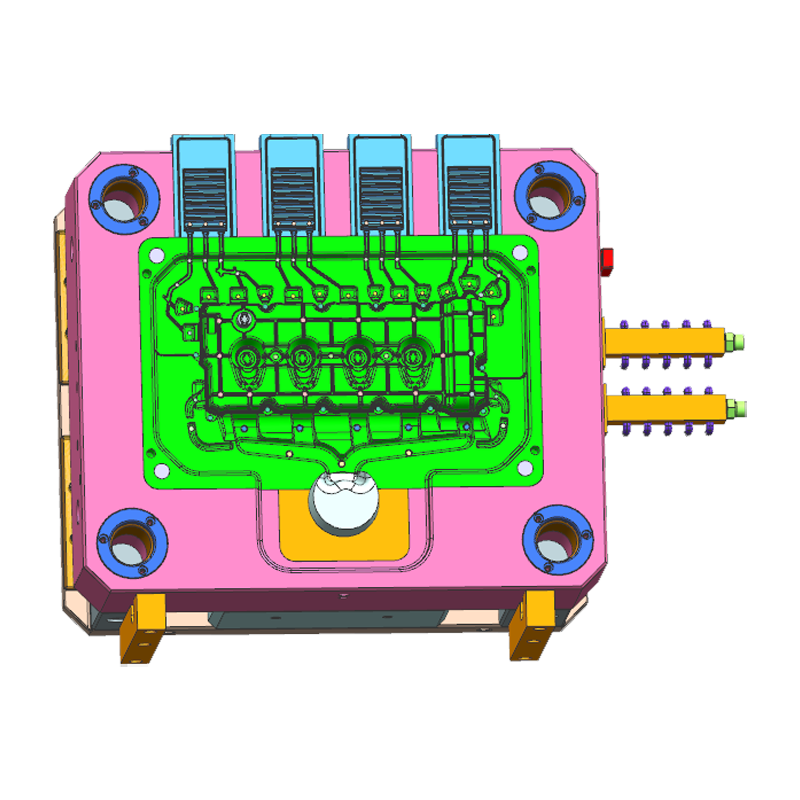
シリンダーヘッドシール燃焼室、ハウスバルブとスパークプラグ、クーラントパッセージを形成し、200のバーの圧力と300°Cの温度に耐えます。 Isuzu Cylinder Head型は、Isuzu...
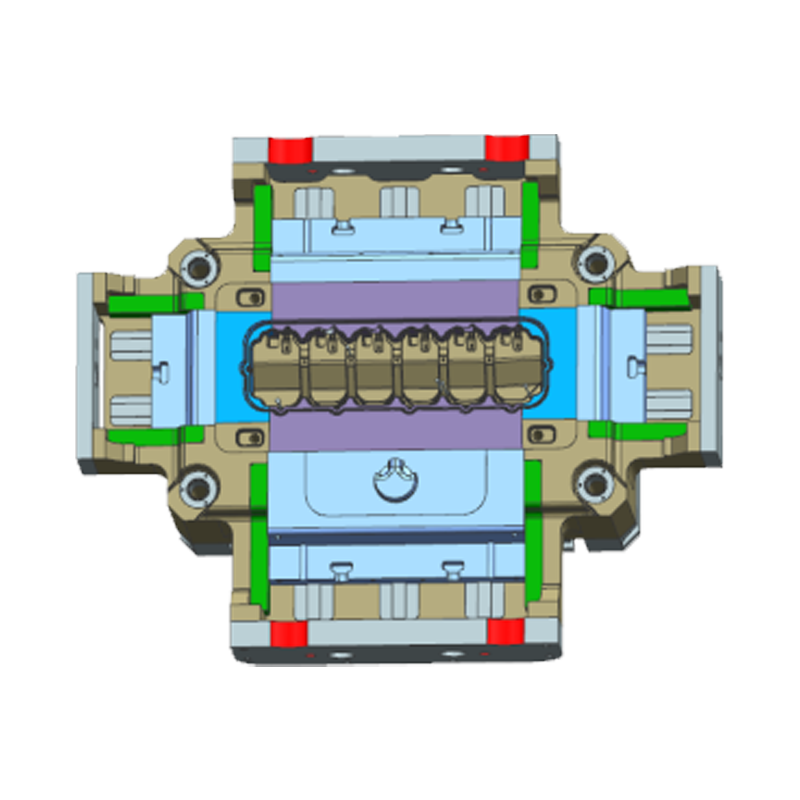
カムシャフトブラケットカバーは、カムシャフトの位置を固定し、オイルチャネルをシールして漏れを防ぎ、汚染物質をブロックし、安定した潤滑システムの動作を保証します。金型の開発は非常に高い要件です。 ...
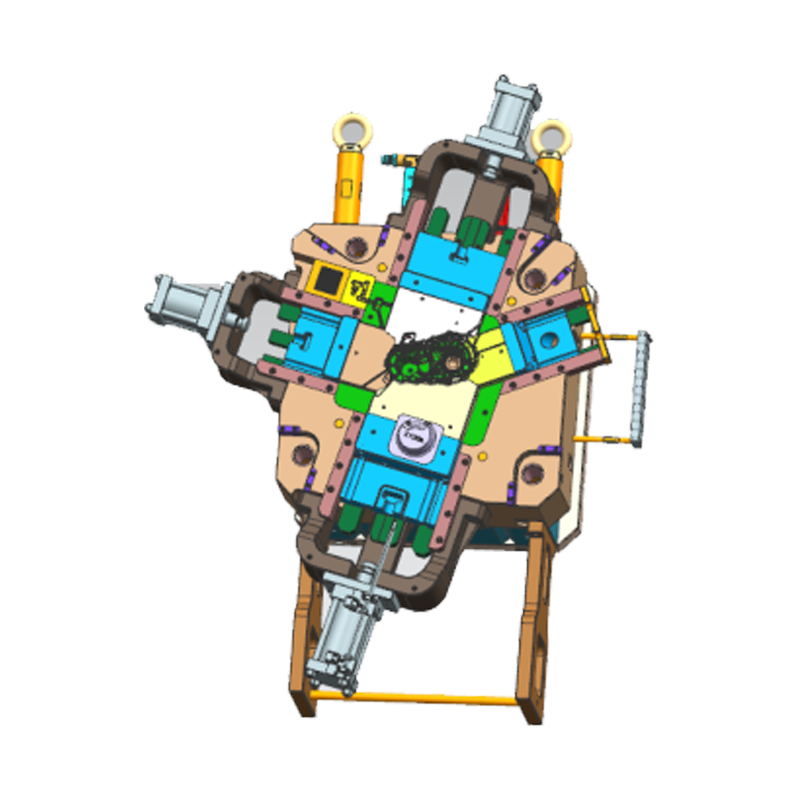
アルミニウムダイキャスティングギアボックス金型最も重要な要件: 1。材料特性には、耐摩耗性が高温耐性が必要です。 2。構造設計:分離表面の最適化と鋳造システムの設計、排気システム、冷却パイプの設計。 ...
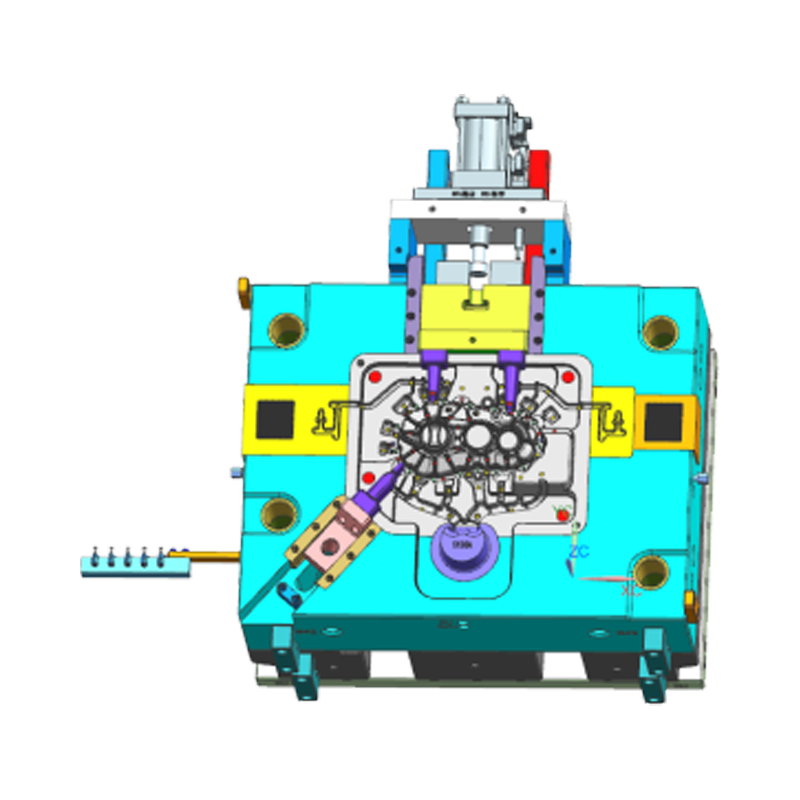
ダイキャスティングトランスミッションEMサイドハウジング金型は、NIOトランスミッションリアハウジング用にJYD(Yunmai)によって設計されています。 各型の寸法と形状が正確であること...
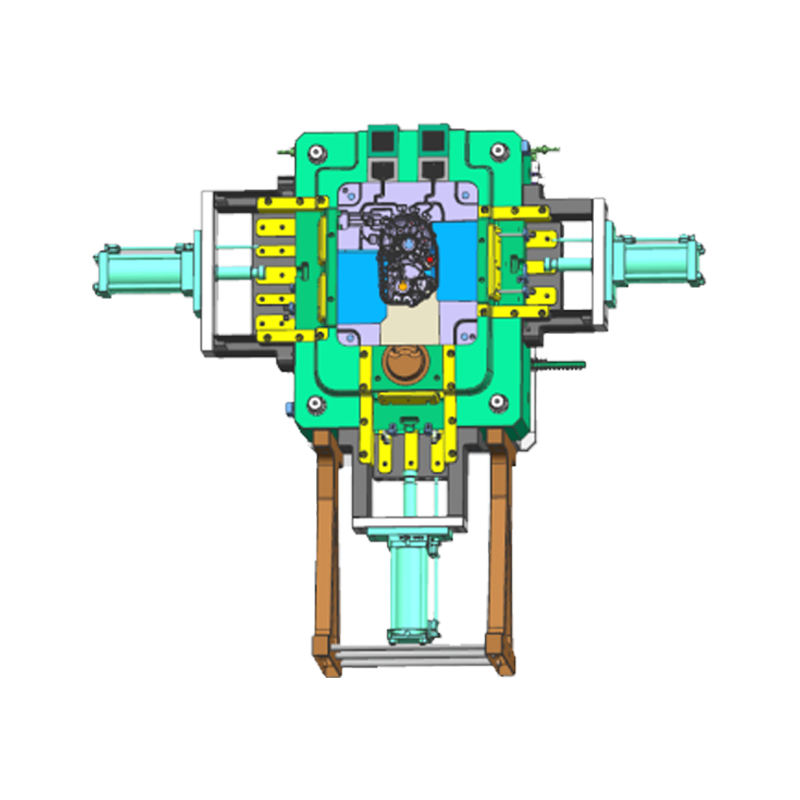
トランスミッションリアハウジング型は、自動車のパワートレインの効率的かつ正確な製造の基礎となっています。 高度な技術を備えたYunmai型。最新のダイキャスティング金型デザインテクノロジー...
Copyright© Ningbo Yunmai Precision Machinery Co., Ltd. すべての権利はを留保します
